

How to Pick a Paint Color: The Designer’s Secret Weapon
If you've ever stood under the fluorescent lights of the paint store, brow furrowed, clutching a fistful of tiny swatches, completely confused, this article just might change your life.

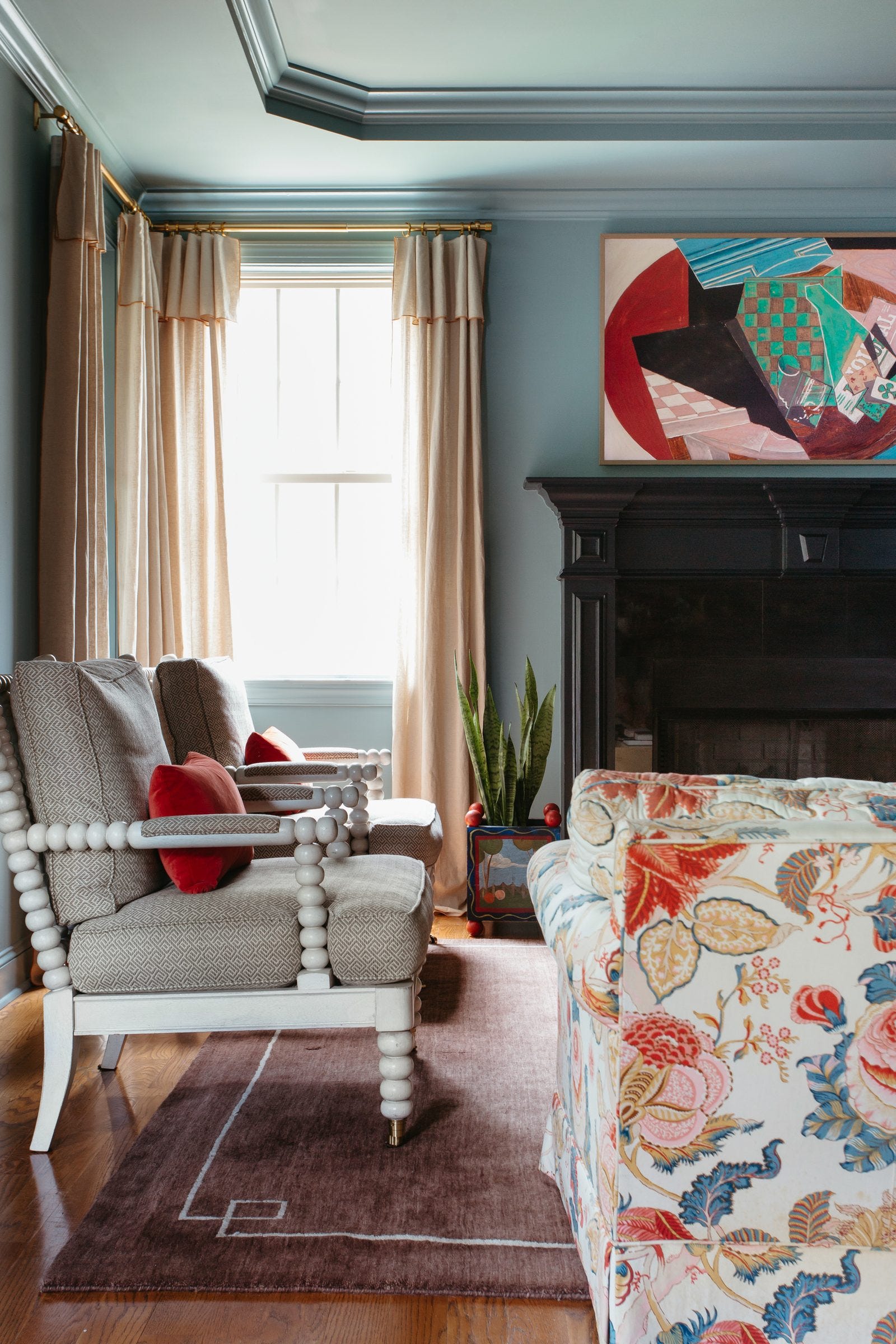
If you've ever stood under the fluorescent lights of the paint store, brow furrowed, clutching a fistful of tiny swatches, completely confused, this article just might change your life.
If you think I’m being dramatic…you’re probably right. But just humor me, okay? I’m writing an article about one of my most favorite things.
Keep reading to learn how to pick a paint color the way decorators and designers do: by using a color fan deck.
This post contains affiliate links and I may earn a commission if you choose to make a purchase through the links below.
The problem with the paint aisle
The paint chip rack was literally set up to make you fail, or at least it feels that way. The swatches themselves are barely bigger than a business card, and thousands of colors are displayed under harsh fluorescent lighting.
You pick out a nice selection, bring them home, and they look completely different in your home’s lighting, with your home’s decor (color theory is wild).
So you go back and forth, over and over, and eventually you do one of two things:
You settle for the least offensive option out of sheer exhaustion, the room gets painted, and you hate it anyway.
Or worse, you’re overcome with decision paralysis so you decide that white walls aren’t really that bad after all.
Allow me to introduce you to color fan decks
Instead of pulling tiny swatches at the local paint shop, designers and decorators use a tool that truly simplifies paint color selection: a color fan deck.

A fan deck is a tightly edited collection of (usually) larger-than-normal paint chips, usually from one paint brand, bound together (so you can fan them out…get it?).
The primary value of a color fan is that you have fewer, better options, in your actual home.
My favorite color fan decks
I own several color fan decks, but I most often reach for the ones from Farrow & Ball.
Both their classic and archive fans are full of colors that will actually look stunning in your home. Unlike the paint store racks, you don’t have to second-guess whether a color is going to look insane on your walls or not.
If you just moved into a new place or you've got several rooms to paint, it's worth investing in both the classic and archive fans. You'll use them for years (decades, even), and the total cost is still way less than a gallon of paint you’ll probably end up hating.

How to pick a paint color using my paint color testing process
Once you've got your fan decks, here’s what to do:
1. Before you do anything else, number your swatches.
Grab a pencil and number each swatch lightly on the back. Fan decks are ordered in a specific sequence, and you’re about to take yours apart.
If you don't track which swatch came from where, you'll spend way too much time later trying to put them back in order (ask me how I know this).
2. Play around with color combos.
Don’t take your fan deck apart just yet. Fan it out and play around with different color combinations for your walls, ceiling, and woodwork.
Hold your swatches up to different elements in your space, including your flooring and any other architectural features that won’t get painted.
See how the undertones of different paint swatches work with your existing pieces.
3. Take your fan deck apart
Once you have your selection narrowed down a bit, it’s time to take your fan deck apart. Most are held together with a long pin and screw, and unscrewing it will give you a stack of loose swatches. This is what you want.
4. Tape up your swatches
Pull out swatches you selected and use a bit of painter’s tape to stick them on the wall you’re painting. Make sure the tape is on the back of the swatch so the tape color doesn’t skew your perception.
You can also place a piece of white cardboard or paper behind the swatches if your existing wall color is throwing things off.
5. Then just…look at them
I like to leave the swatches up for at least a full day, but usually more like a week so I can see them on different walls. You’ll want to look at them throughout the day and see how the light in your room interacts with each color.
You also want to see how they look in the evenings with lamps on. The same color can look warm and inviting at breakfast and feel like a prison by bedtime.
As you rule swatches out, pull them out of the lineup.
6. Order samples of your top three
Once you've narrowed down your selection to three options or so, order actual paint samples in the finish you're planning to use on the wall. Colors can shift depending on the sheen, so testing in your final finish is preferable.
7. Paint BIG swatches
This is the step most people get wrong, and it's arguably the one that matters most.
Paint large swatches, at least two feet by two feet, and do two full coats.
You can paint directly on the wall, or paint poster board and move it around the room instead. Leaving a white border can also help you see the true color without getting skewed by your existing walls.
Move around the room and check your swatches at different times of day before you make a final decision.
The tester pot alternative: peel-and-stick swatches
Tester pots can be tedious, so I often order samples from Samplize instead. They sell large peel-and-stick paint swatches in most colors from major paint brands (including Farrow & Ball).
They’re basically oversized stickers, but they’re made with the real paint instead of a printed image. The color you see is the color you'll actually get on your wall.
Order your swatches directly from Samplize.com and use my code MAGGIEW10 for a discount.
OUR PICKS
Pro Tip: Color-match any paint to your fan deck
Most people don't realize that you can use a curated fan deck as your color-picking tool, then take it to your local paint store and have them color-match your selections.
Most paint stores can match a color from anything you bring in (I once had a vase color-matched). You're not locked into ordering directly from Farrow & Ball if they’re out of your budget or you prefer a different formula.
The fan deck's job is narrowing down your choices to only the best options and allowing you to see them in your actual home, not tying you to one single paint brand.
How to pick a paint color: Making the final call
Even after all that testing, pulling the trigger can be the hardest part for some people. If you're stuck between two options that both feel equally right, just pick one and go with it.
Remember that paint is one of the lowest-stakes decisions in your whole house. It's paint, not a tattoo. If you hate it once it's up, you can repaint it.
Ready to stop guessing and start decorating with an actual plan?
The Designer Home Formula is the exact decorating method I use and teach in my course. It walks you through how to figure out your own unique interior design style mix, then use the formula to make every decorating decision (without overwhelm or second-guessing).